

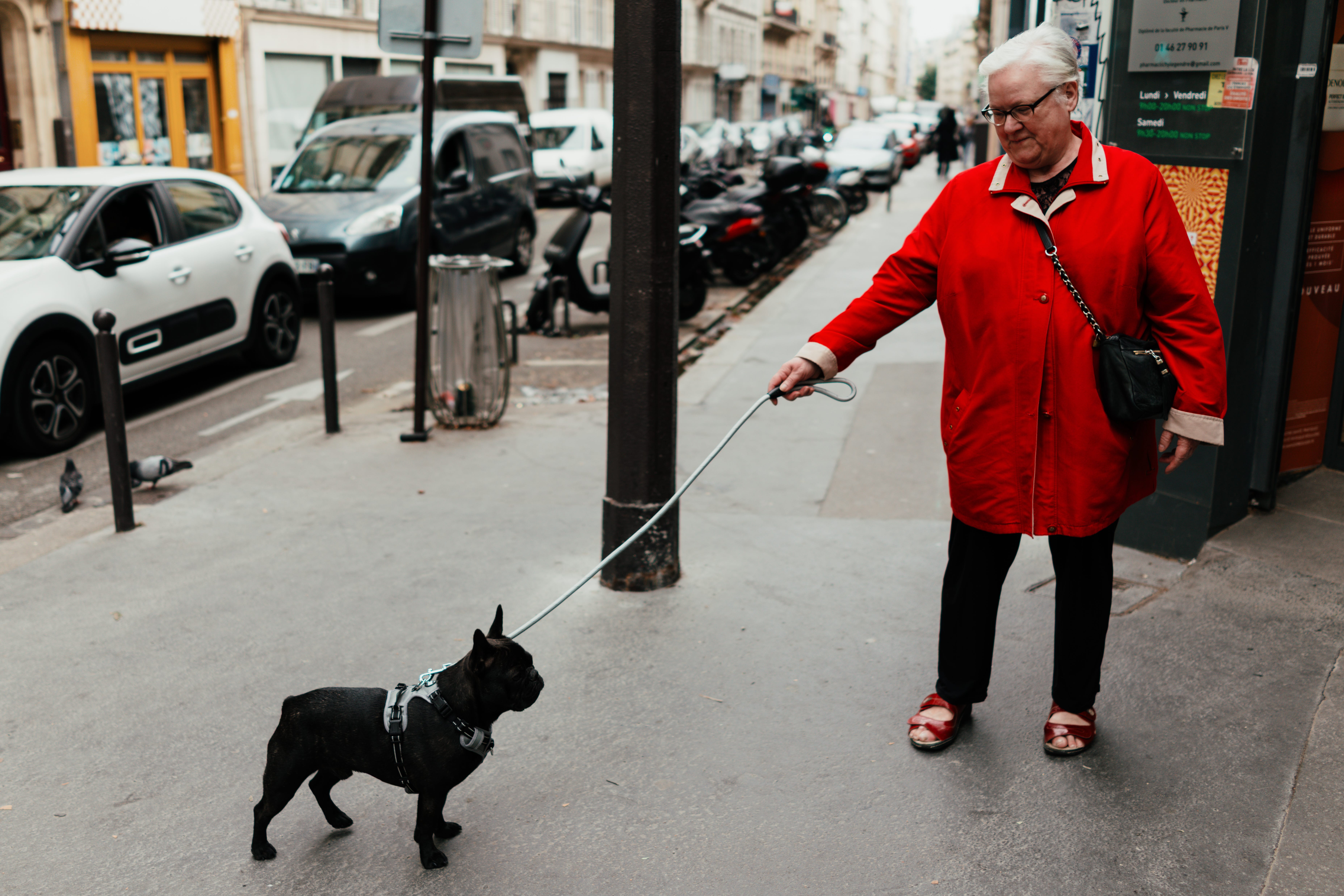
Part film, part visual essay, 1967’s 2 or 3 Things I Know About Her parallels the lives of suburban prostitutes with the cold, industrial progress of modernizing Paris. Rife with consumerist imagery, Godard suggests both his characters and city are selling their souls in pursuit of an aspirational and commodified lifestyle.
Protagonist(?) Juliette spends her days attending to Johns and indulging in shopping and beautification, before retreating to her high-rise on the outskirts of the city. Godard’s literal voice accompanies her across this vain existence, musing about politics, consciousness, and r’aison d’être. The final shot of the film sees the city recreated out of carefully-arranged consumer goods.
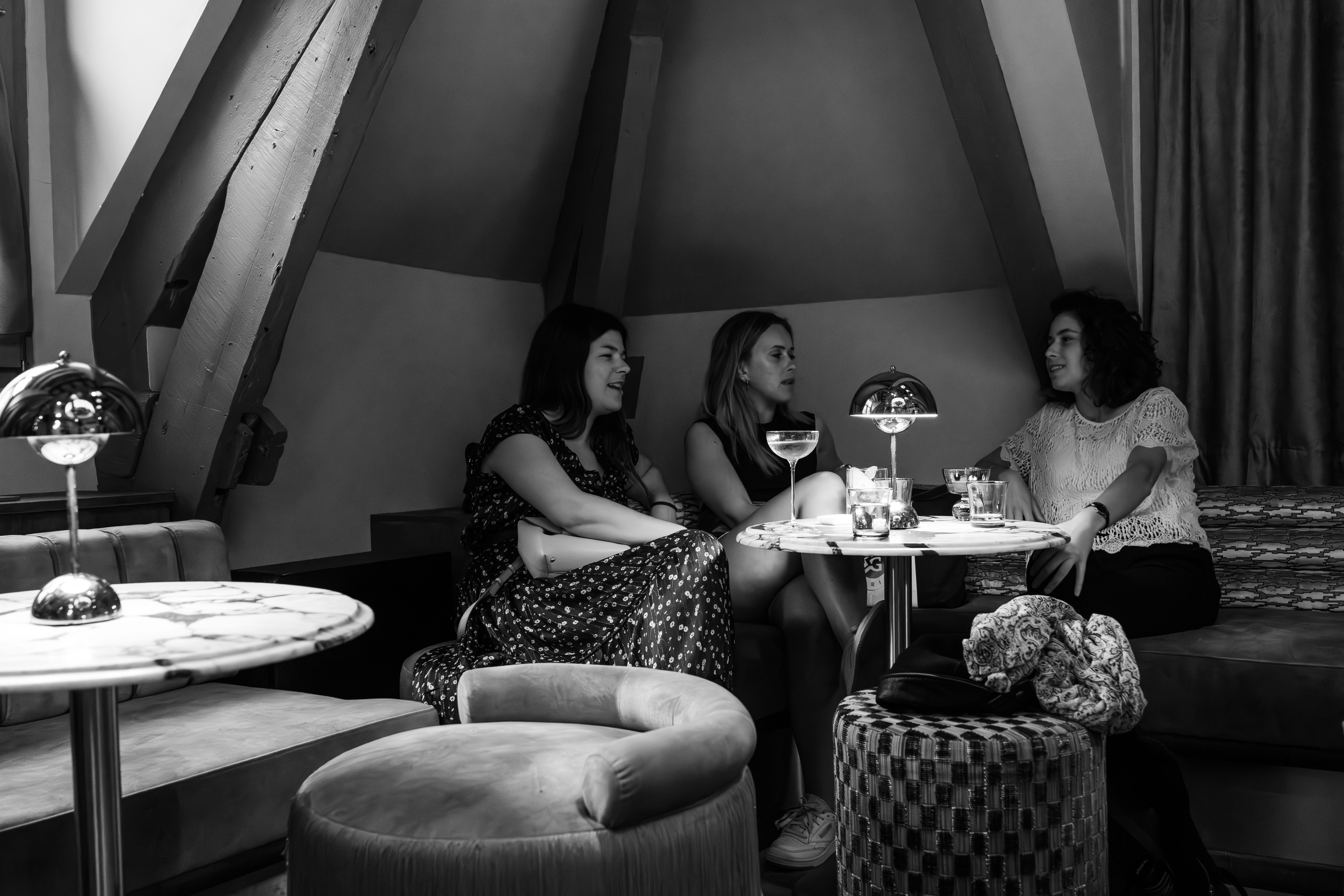
Over fifty years later, Paris retains her identity — apart from the smoking ban, anyway. Baguettes walk the streets; coffee is indulged at a leisurely-pace; fashionable moviegoers spill out of Christine Cinema into the late-afternoon light. Skyscrapers refuse to take over the Parisian skyline; billboards remain largely absent. It’s still a city built as monument to living, rather than productivity.
Would Godard have been satisfied? Hard to say. He withdrew from mainstream society at the end of the 60’s, disgusted by capitalism and the bourgeois complacency of French life.
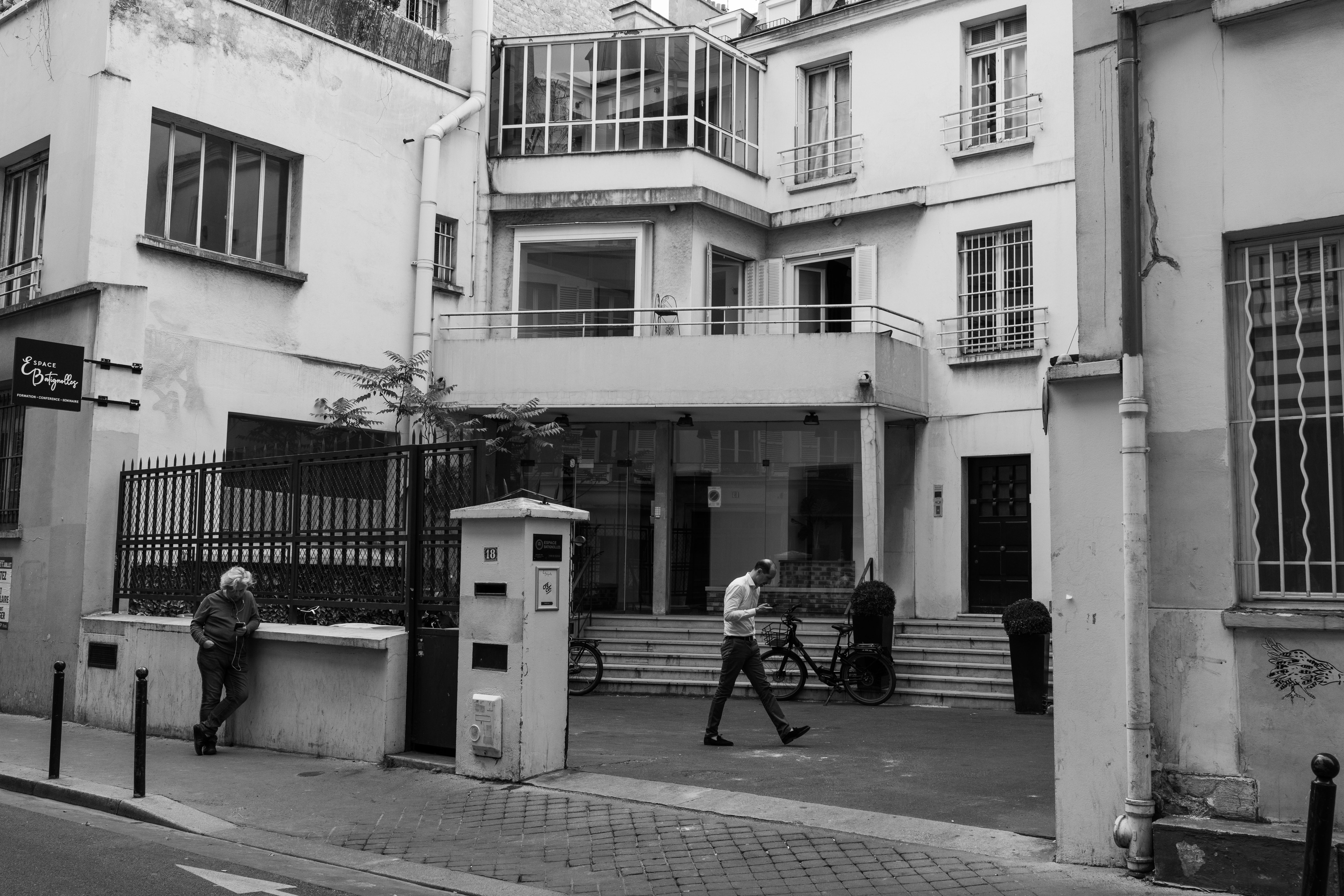
Within the modern American context, Godard’s once-radical critique reads as nostalgic, maybe even enviable. Prostitution in exchange for luxury? We might label that empowerment. Industrial jobs providing for soulless suburban living? Not far from a 2024 campaign promise.
Godard couldn’t have dreamt of the growing technoligarchy, or of how the state would subsidize AI data centers to put people out of work. He feared commoditization, but couldn’t have predicted how the internet would drive users to self-commoditize, transforming themselves into brands.
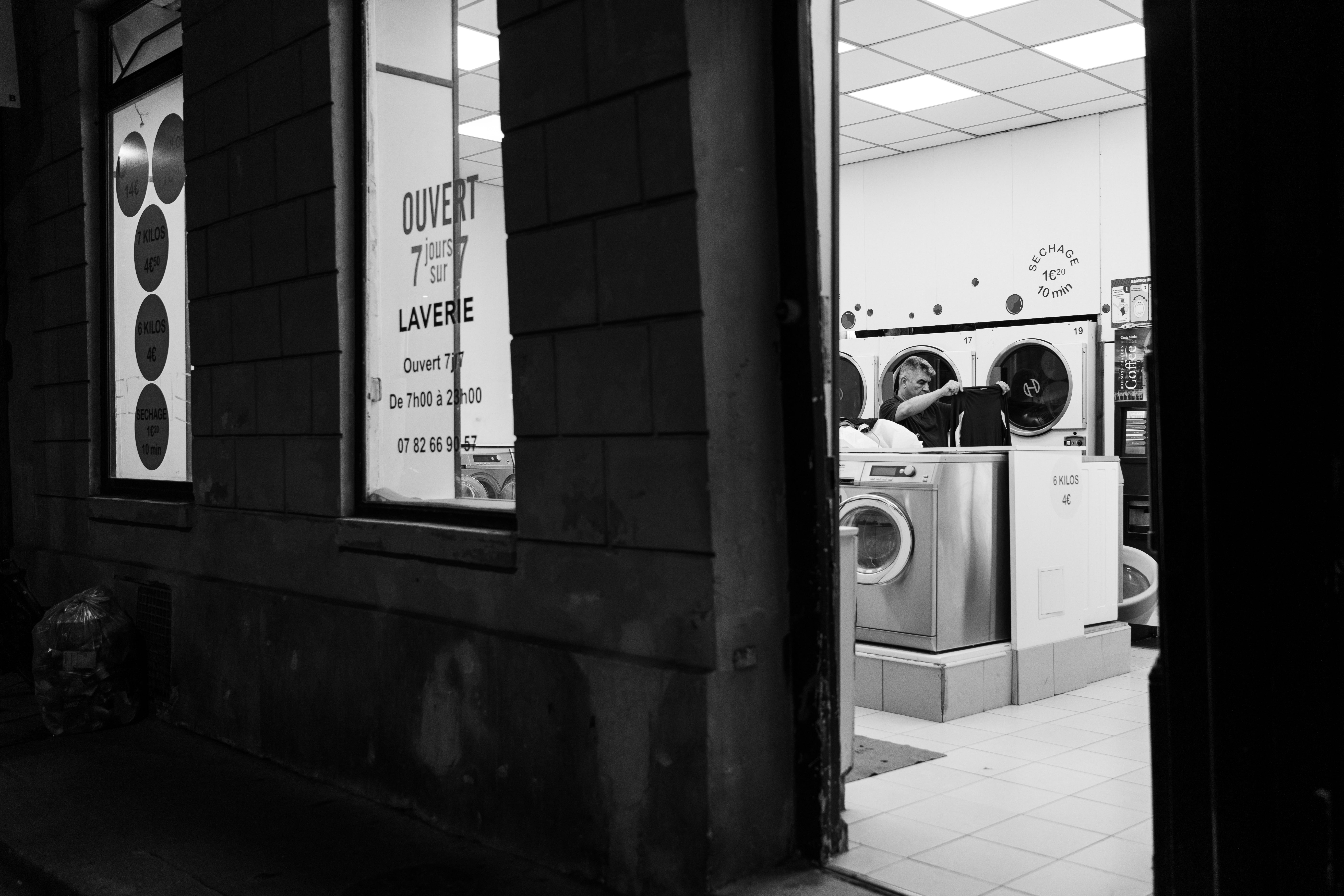
He once referred to America as the “heart of the system”, with France as “one of its provinces”. The Paris of today may be safe from his worst fears, but was the underlying unease justified, if premature? What will our current moment look like, a half-century on?
Perhaps the AI bubble will burst, causing economic calamity but ultimately leading a retreat into twentieth century-style capitalism. Or, maybe Silicon Valley will succeed in creating the machine God, resulting in unprecedented inequality and societal upheaval.
Either way, it’s disquieting to read a dystopian critique as small comfort. The anxieties of history may not all come to pass, but their paranoia lingers in uneasy times. For now — sip that Beaujolais, wander a ruelle pavée, and hope for the best.